Coventry University is leading research into how recycled steel and aluminium could be used in next-generation aerospace, automotive, and construction applications
Following COP31, the global summit for action on climate change, researchers at Coventry University’s Research Centre for Manufacturing and Materials are helping create a more sustainable future.
Future propulsion and modern construction technologies will depend on low-carbon materials and advanced engineering, and should deliver those while supporting onshoring and strengthening UK manufacturing supply chains.
The university’s portfolio of projects in this sector takes a systems approach to understanding how we can extract and utilise materials from end-of-life sources more efficiently.
Key projects include:
- Direct Repurposing of End-of-Life Strip Steels: Technical, Economic and Environmental Viability (Nigerian Government scholarship) – exploring how much global steel demand could be met through the recovery and downstream processing of steel products, avoiding the high-energy, high-carbon-intensity melting step of scrap-based production. Researcher: Ebilayefa Gbakena
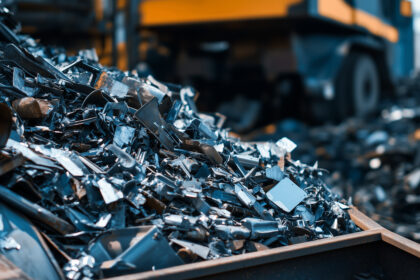
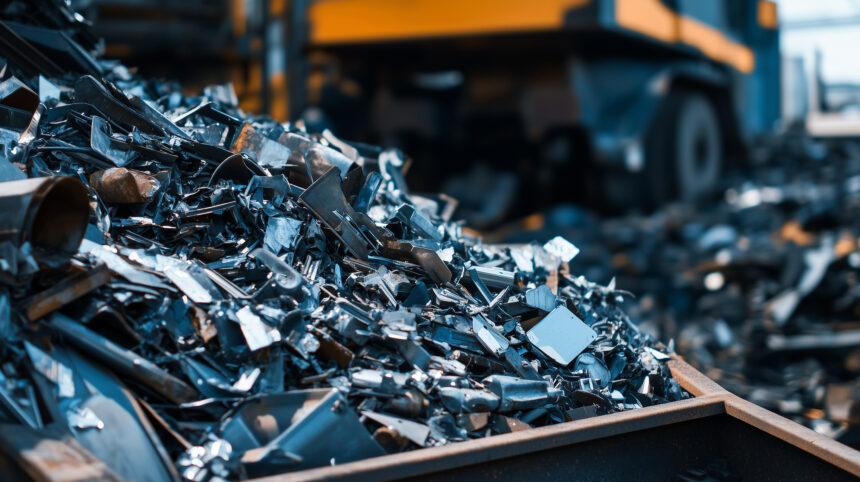
- SCRAPPY (EPSRC SUSTAIN steel research hub technology transfer project) – piloted the recovery of ultra-high-purity, highly flexible scrap from end-of-life automotive. Principal investigator: Dr Darbaz Khasraw
- Innovative solutions to deliver improved circular economy outcomes for materials within UK / EU end-of-life passenger vehicles (Coventry University Scholarship) – taking a systems-based combinatorial (linked impacts measuring) approach to discover the scientific and economic interplay between opportunities to recover, remanufacture, refurbish and recycle parts and materials from end-of-life vehicles (ELVs).
- Data-Driven Control and Valorisation of Scrap Steel and Aluminium (DCVS) (EPSRC and industry funded consortium as part of the National Materials Innovation Program (NMIP) UKRI grant reference: UKRI6579) – a collaborative supply chain approach to building an end-to-end efficiency model of scrap-based advanced material production. The project uses advanced sortation methods, digital twins, and complex process and optimisation models, with a four-year plan to deliver a step change in how scrap is produced and used.
Stephen Spooner, professor of Sustainable Manufacturing at Coventry University, said, “Our portfolio of projects look at how we can unlock even greater value from recycled materials and end-of-life goods, opening up new opportunities for their use in manufacturing.
“What we’re trying to do is characterise the material and products to reduce the risk and uncertainty of their use, so companies are more confident in using them.
“We’re also trying to capture a more complete picture of what’s in the material, components and complex portfolio of products we see reaching end-of-life, so we can use them in their most valuable applications both environmentally and economically.”
Although recycled materials are already widely used in manufacturing, better understanding their composition could expand their use in applications with increasingly demanding material specifications.
The environmental benefits could also be significant as recycling metals requires less energy than producing them from raw materials; Spooner estimates potential energy savings of up to 60% for steel and 85-90% for aluminium, semi-finished products.
Spooner said, “Scrap metal is really interesting and important because it offers a lower energy route to producing these materials. The refining has already been done, and we are able to focus on optimising melting processes and adjusting the composition for the new application.”
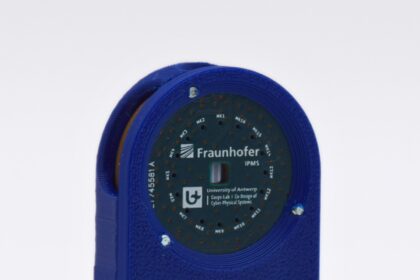
The portfolio of research combines advanced laser technology, materials testing, standards interrogation, advanced disassembly, material processing, and digital modelling to identify the chemical composition of scrap metal, assess component integrity, and identify combined optimisation opportunities to determine how best to use our waste in manufacturing and societal applications.
Spooner added, “We’re turning scrap into a high-value raw material which aligns with the advanced manufacturing processes and economies that the UK is reliant on.
“We’re converting an end-of-life material that is currently turned into scrap and exported into a quality of material that can actually be used to support the realistic delivery of the The UK’s Modern Industrial Strategy, and supports the reversion of the offshoring of emissions (through supply chain exploitation) the UK has prolifically relied on to meet environmental targets over the last 30 years.”
Working with industry partners, the projects also create research opportunities for Coventry University students, across both undergraduate and postgraduate programs.
The projects draw on input from six UK universities and more than 20 industrial partners, with Coventry University’s team keen to share information, resources, and collaborate with the community on the opportunities available.