Process engineers are accustomed to looking at systems. Flow, pressure, temperature, solids content, equipment condition and operating practices are interconnected, and changing one variable can affect the entire process. Yet when it comes to pump sealing, that systems thinking is sometimes abandoned
A seal fails, so the seal is replaced. When it fails again, a more advanced seal may be specified. But what if the sealing device was never the root cause?
Modern mechanical seals are remarkable pieces of engineering. Materials, manufacturing techniques and tolerances have improved dramatically. The challenge is that many of these highly engineered products are being installed on equipment that has been operating for decades.
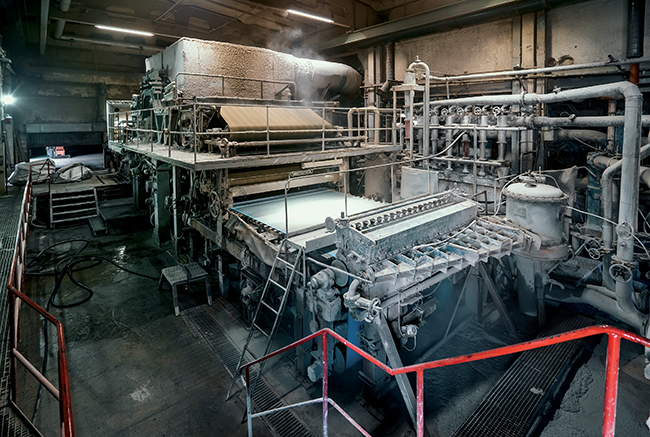
Across process industries, pumps that are 30, 40 or even 50 years old remain in service. During that time, foundations move, bearings wear, shafts deflect, alignment changes and piping introduces strain. The pump may still perform its basic process function, but the mechanical environment surrounding the sealing area can be far from ideal.

ENSURING MECHANICAL STABILITY
Precision sealing technology cannot compensate indefinitely for mechanical instability.
This is particularly important as plants lose experienced maintenance personnel. The mechanic or engineer who understood a pump’s history—and recognised that repeated seal failures were actually symptoms of vibration, shaft movement or process conditions—is increasingly difficult to replace. Without that institutional knowledge, maintenance can become transactional: remove the failed component and install another.
Process engineers can help change that approach by treating sealing as part of the larger equipment system.
Before selecting a sealing technology, examine the conditions surrounding it. Is shaft runout acceptable? Are bearings providing adequate support? Is the equipment properly aligned? Is pipe strain contributing to movement? What is actually happening inside the stuffing box?
Then consider the process itself. Temperature and pressure matter, but so do solids concentration, abrasiveness, shaft speed, flush-water availability, operating cycles and maintenance capabilities.
SEALING STRATEGY
Once those variables are understood, the sealing strategy can follow.
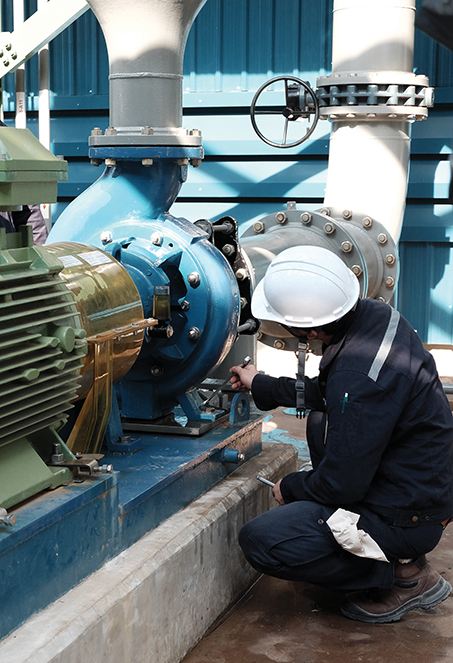
Sometimes a mechanical seal will unquestionably be the right solution. In other applications, modern braided packing, stabilisation systems or hybrid approaches may better accommodate the realities of the equipment and process. Packing technologies can offer greater tolerance for shaft movement and abrasive media, while bearing and stabilisation technologies can improve the environment in which the sealing system operates.
The objective should not be to promote one technology over another. It should be to create the conditions necessary for whichever technology is selected to succeed.
For process engineers, this represents a familiar principle: optimise the system rather than an isolated component. A recurring seal failure should therefore be treated as process information. Instead of simply asking, “What seal should replace this one?”, ask “Why is this sealing system failing?”
That distinction can lead to longer equipment life, reduced water consumption, fewer maintenance interventions and lower total operating costs.
Better sealing does not necessarily begin with a better seal. It begins with a better understanding of the system.
For more information visit: www.sealryt.com