Jessica Stank from APEC looks at the impact of automation on bread baking production
In the baking and food premix sectors, precision is everything. As industrial bakeries contend with tight margins, adopting automation can be essential for maintaining efficiency and competitiveness. This article explores the role of automated processing equipment and its impact on the food premix sector, offering insights on how these technologies can enhance productivity, reduce waste, and improve safety and consistency in baking operations.
Key benefits of automation in food premix operations
1. Saving time and improving efficiency
Automated processing equipment brings speed and consistency that human labour alone can’t match. Tasks that require repetitive or intense labour, like mixing and ingredient handling, benefit immensely from automation, freeing up skilled workers to focus on tasks that require more attention to detail. Automated systems are designed to operate continuously, maximising output with minimal downtime. This time efficiency is essential for large-scale bakeries and food premix operations aiming to meet high demand while managing resources effectively.
2. Reducing waste and ensuring accuracy
Inaccurate ingredient measurements can lead to undesirable results in taste, texture, and overall product quality, as well as costly waste. Automated equipment is highly precise, ensuring that each batch adheres to exact specifications, thereby reducing the margin of error. By removing the risk of human error in measurement and mixing, automation helps prevent wastage and preserves valuable ingredients, translating to a more sustainable production process and ultimately, cost savings.
3. Boosting production capacity
With enhanced speed and accuracy, automated processing equipment allows bakeries to increase production volumes consistently. When automated equipment is integrated into a food premix operation, businesses can achieve a steady, predictable increase in output, enabling them to meet growing customer demands without sacrificing quality. This consistency in production also means that businesses can take on larger contracts or expand distribution, knowing they have the capacity to meet new demand.
4. Achieving consistent quality standards
Automation enables food premix and baking operations to replicate high-quality products consistently across batches. For bakeries and food companies aiming to build a reliable reputation, maintaining a uniform taste, texture, and appearance is vital. Automated mixing and measurement ensure that recipes are followed precisely, resulting in consistent quality, batch after batch. For example, automated ribbon mixers allow for precise control over mix timing and speed, ensuring uniform ingredient distribution.
Automated solutions for dry mix baking
Automated systems come in various forms, each tailored to meet specific needs in baking and food premix operations. The two most commonly used types of equipment in the industry are bulk bag unloaders and micro ingredient scales.
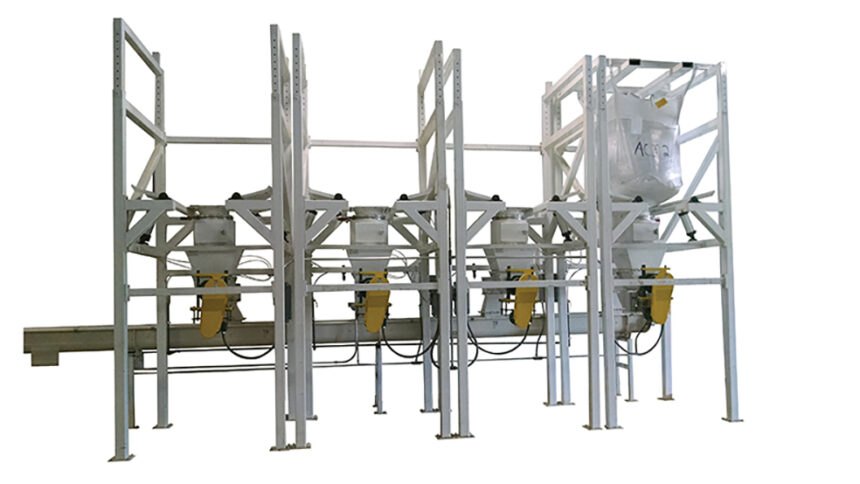
1. Bulk bag unloaders
Bulk bag unloaders simplify the process of handling large quantities of dry ingredients, allowing companies to efficiently manage bulk materials. These unloaders are equipped to handle ‘super sacks,’ which provide a cost-effective option for ingredient purchasing. Automated unloaders make it easy to safely transport and dispense ingredients from these large bags, reducing manual labour and minimising the risk of injury associated with lifting heavy loads.
2. Micro ingredient scales
In food premix and baking operations, even small inaccuracies in ingredient measurements can significantly affect product quality. Micro ingredient scales address this challenge by enabling precise weighing of minor ingredients, such as spices, flavorings, and preservatives. These scales are designed to measure very small quantities with exceptional accuracy, ensuring that each component is added in the correct proportion.
3. Horizontal Ribbon Mixers
For operations that require a thorough blending of dry ingredients, horizontal ribbon mixers offer a powerful solution. These mixers are designed to handle the specific demands of dry mix production, ensuring that all ingredients are blended evenly. The mixing ribbons reach within a fraction of an inch from the walls, minimising unblended materials and resulting in a homogenous mix every time.
Safety and labour efficiency in automated systems
Beyond the efficiency and consistency benefits, automation plays a crucial role in promoting safety in baking environments. Manual handling of heavy bags and large amounts of ingredients can lead to repetitive-strain injuries or accidents. Automated equipment reduces the need for direct human interaction with heavy or hazardous materials, which helps create a safer work environment.
Automated systems also minimise the potential for contamination, as they allow for a more controlled and enclosed production process. In today’s industry, where strict hygiene standards are paramount, automation offers an additional layer of security, reducing the risk of contaminants entering the production line.
Future trends in bakery automation
As automation continues to advance, we can expect even more specialised machinery designed to handle specific baking and premix processes. Developments in robotics and artificial intelligence are pushing automation toward greater precision and customisation, potentially allowing machines to adapt recipes in real time or detect potential issues before they escalate. These innovations promise to provide bakeries with even more control over quality and consistency, allowing businesses to refine their processes further.
Energy-efficient equipment is also becoming a priority as companies seek sustainable solutions that align with environmental goals. Automated equipment designed to use less power and reduce emissions is an increasingly attractive option for environmentally conscious businesses, enabling them to balance efficiency with responsibility.
Embracing automation for growth
For companies in the food premix and baking sectors, automation offers a pathway to increased efficiency, reduced waste, and enhanced product quality. While the initial investment in automated equipment may seem significant, the long-term benefits, including increased productivity, safety, and quality, can outweigh the costs. With the right automated systems in place, bakeries and food premix companies can not only meet current demand but also scale their operations effectively, setting themselves up for sustained growth in a competitive industry.
By exploring the potential of automation and investing in the right technologies, food premix and baking operations can create a production environment that fosters efficiency, safety, and product excellence. As the industry evolves, these innovations will become essential for staying competitive, paving the way for companies to develop a sustainable and successful future in food production.
For more information visit: https://www.apecusa.com/