The installation of High Velocity Thermal Spray prevented further damage to the sites sulfolane unit
A refinery facing sulfolane corrosion has prevented further damage by installing Integrated Global Services’ (IGS) High Velocity Thermal Spray (HVTS) alloy cladding during turnaround, according to a case study
A sulfolane unit utilises sulfolane as a solvent to separate aromatics from non-aromatics in a hydrocarbon mixture.
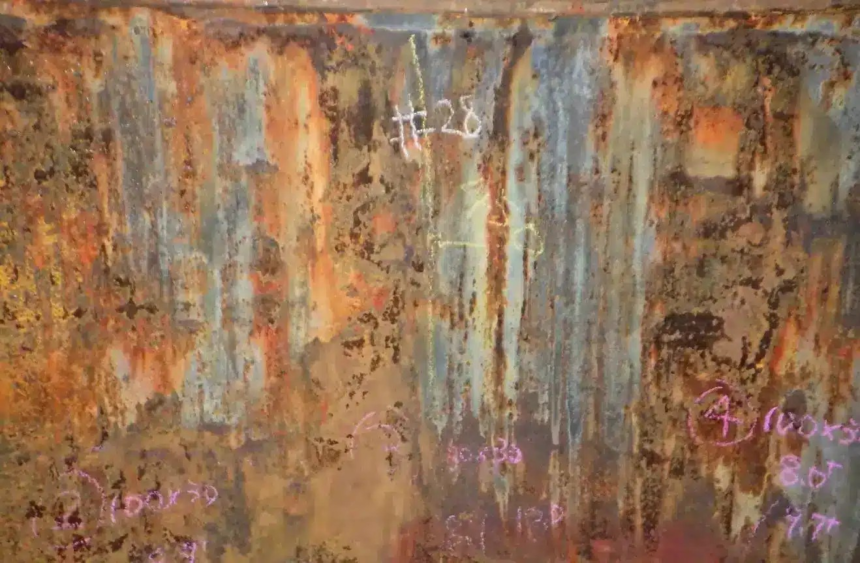
The formation of acidic by-products from the reaction of sulfolane with water and oxygen is one of the primary corrosion challenges in a sulfolane unit, as these by-products lower the pH of the solvent, causing metal wastage due to erosion or corrosion of carbon or stainless steel.
Traditional solutions to reduce the corrosion problem include using more corrosion-resistant materials, such as duplex stainless steel, minimising water content in the solvent, increasing the solvent regeneration capacity, and operating the solvent filter continuously.
Sulfolane corrosion mechanisms typically include acidic corrosion in the presence of both water and sulfur compounds.
In high-stress areas, such as welds and joints, hydrogen embrittlement can cause cracking and structural failures. Localised corrosion is also usually prevalent in stagnant or low-flow conditions, such as dead legs and nozzles.
The global refinery observed in the case study's sulfolan column had previously undergone an inspection to assess its integrity in consideration of a potential sulfolane-induced attack. The examination process involved a visual inspection to spot any signs of delamination, cracks, and bulging.
The unit's operating temperature was recorded as 49°C at the top and 174°C at the bottom, and the operating pressure was -0.057MPag at the top and -0.038MPag at the bottom.
Organic cladding, such as epoxy linings, was deemed unsuitable for the aggressive operating environment as they are limited to withstanding a maximum operating temperature of 140°C before premature delamination and failure will occur.
Corrosion-erosion-resistant solutions considered for the harsh operating environment in the column included: IGS High Velocity Thermal Spray (HVTS) or an internal alloy upgrade using field-applied weld overlay.
The refinery selected IGS HVTS, and IGS technicians completed the 120 m² installation of a corrosion-resistant high-nobility alloy cladding to protect the column within the designated turnaround period internally.
In environments where erosion is a significant mechanism for metal wastage, it is essential to conduct regular inspections as needed and maintain the cladding thickness to ensure the ongoing integrity and performance of the barrier system. These inspections are typically performed during scheduled shutdowns, and recommendations for planned maintenance are provided to address potential concerns found during the inspection.
Natsuki Yamagata, director of IGS Japan, said: “In this case, schedule adherence was paramount as well as stringent safety standards compliance. Every team mobilised by IGS is expected to provide a service that meets all international quality standards, part of which involves keeping detailed inspection reports and ensuring that all procedures are thoroughly documented. IGS is ISO 9001:2015 certified for our Quality Management System (QMS), which recognises those who are dedicated to meeting all customer requirements, with safety being the highest priority.”
The case study highlights how on-site alloy upgrades can extend asset life and reduce downtime, offering refiners a practical path to manage sulfolane corrosion without major equipment replacement.