This industry presents significant environmental and health challenges, including those related to noise
The oil and gas industry is a crucial pillar of the global economy. However, this industry presents significant environmental and health challenges, including those related to noise. Monitoring and measuring noise in the oil and gas industry is essential to protect workers, local communities and the environment from the impacts of excessive noise exposure.
The Sources of Noise
Noise in oil and gas processing facilities can originate from various sources, such as compressors, pumps, turbines, generators, and more. The noise level and frequency depend on factors such as the type, size, speed and condition of equipment, the flow rate and pressure of the fluid or gas, and the distance and direction of the sound propagation.
The Impact of Noise
The noise that this work creates can have a negative impact on workers (and in turn your organisation), the environment and the community. For workers, exposure to high levels of noise can cause hearing loss, tinnitus, stress, sleep deprivation and other illnesses such as cardiovascular disease.
When it comes to the environment, noise can disturb wildlife, especially birds and marine life, and affect their behaviour, reproduction and migration habits and their survival. When considering the community, noise can also affect local residents causing them annoyance, but also sleep disturbance and interfering with their quality of life.
Managing Noise
Managing noise in the oil and gas industry requires a systematic and proactive approach that involves identifying, measuring, assessing, controlling, and monitoring noise sources and impacts.
To do this effectively, it is recommended to conduct a noise survey that will help in determining the noise levels and frequencies at different locations and times, and compare them with the regulatory and occupational limits and guidelines. Additionally, implementing a noise management plan that outlines objectives, responsibilities, actions, resources and timelines is beneficial.
Any plans you put in place should prioritise eliminating or minimising noise at the source, followed by isolating or reducing noise along the path, and finally protecting or reducing noise at the receiver.
Not only can Cirrus Research experts talk you through the steps that you need to take to protect your workers, your business, the environment and local communities from the noise produced by your operation, they can also suggest the best instruments to help you do so.
Instruments recommended for monitoring noise in the Oil & Gas Industry:
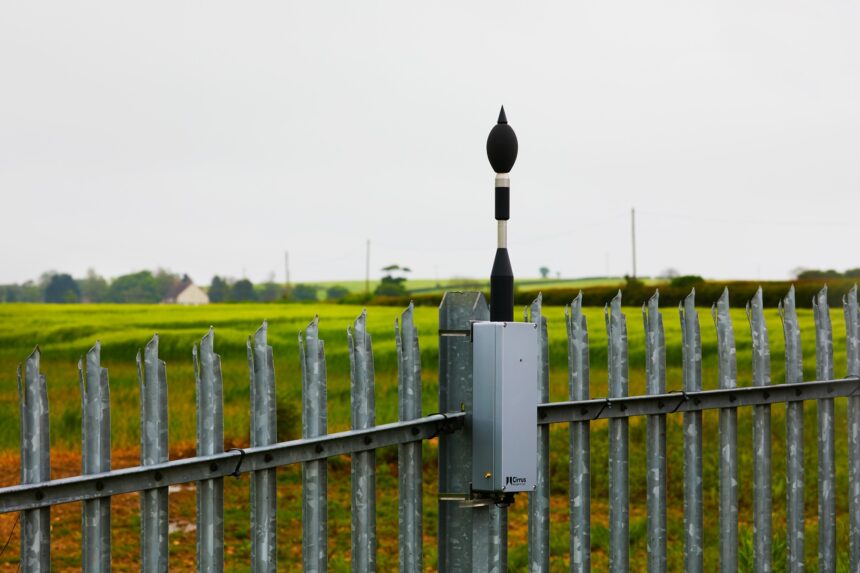
- The Quantum Outdoor Cloud-Based Monitor: Place this instrument around the boundary of your site and effortlessly investigate live and historical noise events anytime, anywhere. For an added cost, this instrument can also monitor ground vibration, weather and air quality.
- The Intrinsically Safe doseBadge: This wearable device has the advantage of carrying IS certification and is ideal for monitoring personal noise exposure in hazardous zones and explosive atmospheres.
- The Optimus+ Industrial: This sound level meter captures all essential noise level data simultaneously, allowing you to ensure your occupational noise surveys are comprehensive and robust.