
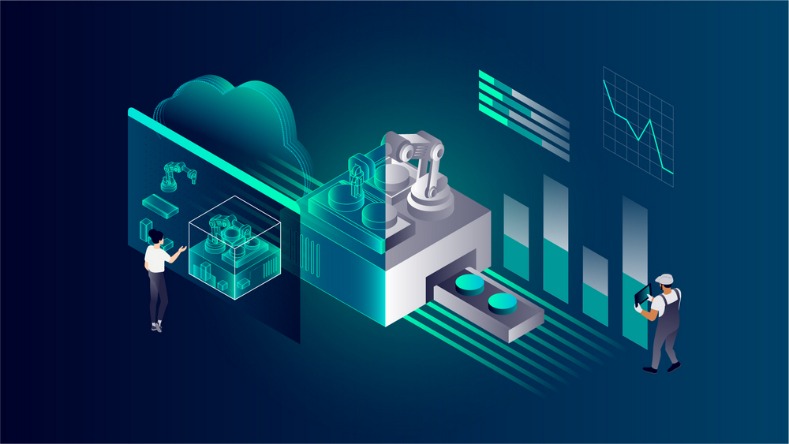
TIA Portal can automate tasks in a single environment, provide open interfaces for IT/OT integration and support testing and simulation functions
Siemens is presenting version 21 of its engineering framework, Totally Integrated Automation Portal (TIA Portal), at the Smart Production Solutions (SPS) trade show. The launch is tailored to machine builders developing innovative machines based on efficient engineering workflows and to discrete manufacturing companies seeking more powerful, reliable production
The continuous further development of TIA Portal addresses the industry's challenges of shorter product lifecycles, increased variant diversity, and a shortage of skilled workers needing flexible, easy-to-use engineering tools that ensure the highest software quality.
TIA Portal, an integrated framework, can automate tasks in a single environment, provide open interfaces for IT/OT integration and support testing and simulation functions, such as digital twin applications. TIA Portal has a consistent user interface, visualisation options with Simatic WinCC Unified and freely selectable deployment models, on-premises, by subscription, or in the cloud.
Horst Kayser, CEO, Factory Automation at Siemens Digital Industries, said, “With TIA Portal V21, we are accelerating the transition to software-defined automation. Git-based CI workflows shorten development cycles, while high-availability SCADA architectures ensure that our customers can keep their plants running more efficiently and adapt them flexibly to new market requirements.”
TIA Portal V21 is concentrated on higher engineering efficiency and end-to-end standardisation. A new export format allows integration of established version control systems, such as Git, for the first time. This applies to LAD, FBD, SCL, data blocks, PLC data types, and mixed-language blocks, among others. This helps Step 7 users benefit from optimised continuous integration workflows, streamlined versioning, and maximum compatibility.
Supervisory Control and Data Acquisition (SCADA) applications based on WinCC Unified can be operated in a redundant server architecture, ensuring continuous operation and higher availability. The WinCC Unified Data Hub also serves as a central archive, providing long-term storage for production data, messages, and audit trails from various WinCC Unified PC runtimes, enabling continuous, plant-wide data transparency over long periods.