Over $1.5m lost per site according to research
Sulzer’s latest whitepaper found pump performance inefficiencies could be costing an extra $1.5m per site, remaining a major blind spot for operators. Two-thirds of industry pumps were found to be running inefficiently, creating opportunities for gains.
Pumps make up 20% of global electricity demands but are not prioritised in efficiency strategies, with turbines and boilers receiving more attention. Data shows the room for improvement left in pump optimisation.
Sampling included 464 pumps, with 68% operating outside of the preferred operating region (POR) for more than half their running time, and a further 44% operated outside POR over 80% of the time.
Only 17% of pumps operated within restricted or limited zones for the majority of their use. Energy costs rise with this level of long-term operational inefficiency whilst also shortening equipment lifespan, increasing unplanned downtime related to fixing or repairing these issues.
Ravin Pillay-Ramsamy, services division president at Sulzer, said: “These aren’t theoretical numbers, they’re real inefficiencies happening right now. With energy costs rising and budgets under pressure, this is the low-hanging fruit that many are not picking. Too often, pumps are considered reliable and left alone, but our data shows that there is meaningful value to be gained by re-examining performance. The opportunity is significant and the path to capturing it is simpler than most expect.”
Operating closer to the pumps' Best Efficiency Point (BEP) can save $28,000 per year, according to Sulzer’s analysis, which does not require major changes to the surrounding systems. Analysis also found over a quarter could save $50,000 annually and one in ten could save $100,000.
In rare cases, a single pump could provide up to $150,000 to $500,000 in savings.
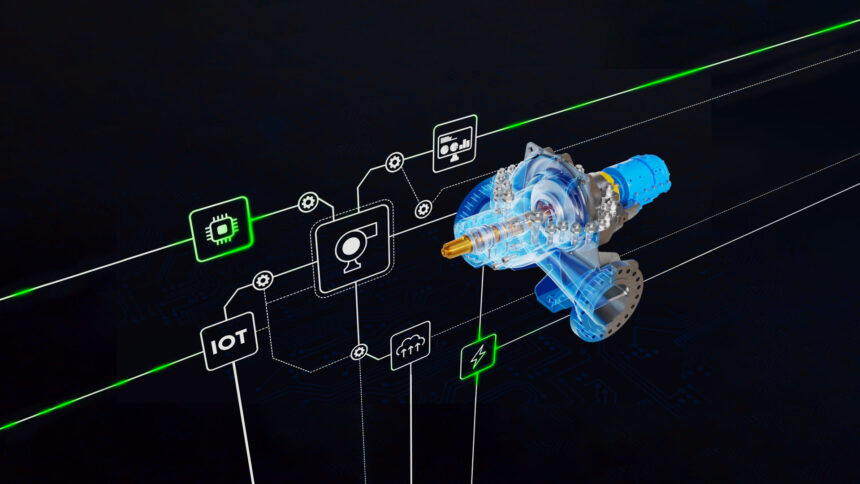
Data was taken over 12 months to create the new white paper, using Sulzer’s pump analytic platform Blue Box, which can also identify geographic and sector-specific trends. Pumps were tested on oil, gas, and power applications. The least efficient pumps belonged to downstream operators, with more than 80% running outside their preferred range for the majority of their running time.
America has the largest room for growth, as 42% of pumps could save over $50,000 annually. One instance included a pipeline which could save $1.5 million per year in efficiency savings.