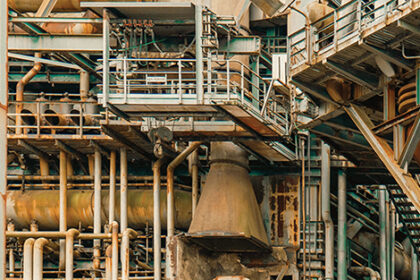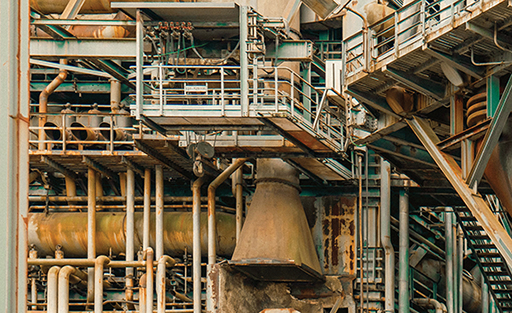
Corroded pipes are hazards that affect the safety and function of the people and systems surrounding the pipework. Tracking pipe corrosion used to be a complicated process that required manual labour and occasional destructive testing. Maintenance was less effective and often reactive, prompting professionals to fix problems as they arose instead of preventing them.
Newer innovations help to keep the surrounding structures intact and maintenance crews safe, while providing critical data about the status of the pipework. With this guide, technical professionals will better understand how the integration of real-time corrosion monitoring can lead to fewer pipeline failures.
Advanced sensors
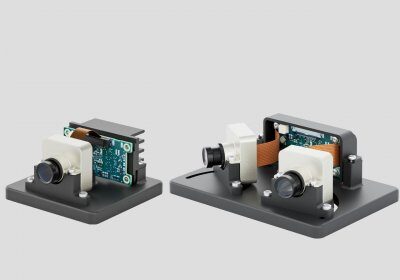
Modern pipeline monitoring requires advanced sensors and machine learning algorithms to process the massive amount of data provided by the sensors. These sensors track conditions around the pipes, generating alerts about leaks or changes to pipe thickness to indicate a possible corrosion defect.
Since the sensors regularly record information about the condition of the pipeline in a specific area, maintenance crews receive regular updates that they can compare to build a track record. Integration of an artificial intelligence system is often required for proper processing, as manual evaluation often fails to analyse the data quickly enough to prevent a problem occurring.
Continuous monitoring
The shift from reactive to proactive maintenance and repair requires more attention to inspections and monitoring. Sensors provide routine data about pipe condition at set intervals to establish a baseline condition and evaluate its progression over time.
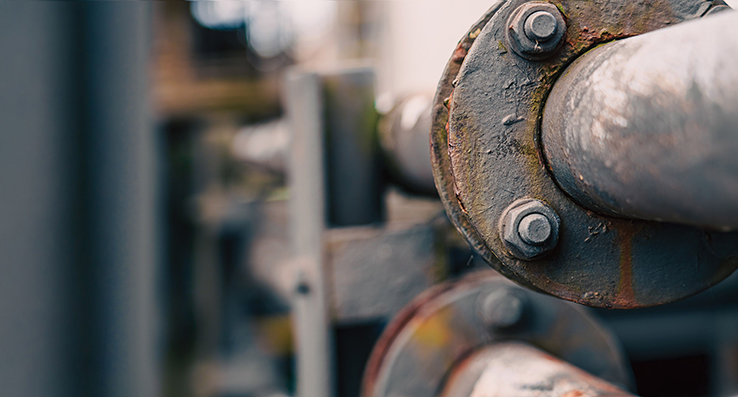
This data offers retrospective information that can inform predictive maintenance plans and data-driven insights for future pipeline implementations but also provides critical warnings in real-time. Maintenance crews can get advance notice that a pipeline is starting to corrode, so they can seek additional testing or perform repairs before the pipe leaks.
In-line inspection technologies
In-line inspection technologies are an innovative practice for monitoring and testing systems as they operate, without damaging the structures around the system. Two common in-line inspections are ultrasonic testing and magnetic flux leakage. Ultrasonic testing involves the use of high-frequency sound waves to measure pipe thickness, identifying corrosion on the outside or inside. Magnetic flux leakage relies on the creation of a strong magnetic field and identifying leakage of magnetic flux lines through the pipes, which indicates corrosion. Engineers can take this data and use corrosion growth rate models to predict the growth rate and integrity of the asset over time.
Predictive maintenance
All the data provided by these testing and monitoring technologies serve a purpose: preventing pipeline corrosion and leaks before they happen. Predictive maintenance is a critical function within this framework, unique because it utilises data from existing inspections and past monitoring to generate maintenance needs for each pipeline. Maintenance crews can set schedules to perform routine upkeep and visual inspections of problem zones, minimising service interruptions or downtime. As a result, pipes at greater risk for corrosion and leaks can receive more attention and faster responses to anticipated failures.
Data-driven insights
It is common for organisations to evaluate what they could have done better to prevent pipe corrosion from causing failure of the line, but they do not have to wait for the failure to achieve this goal. With the collection and processing of large quantities of data about the pipelines from inside and outside the organisation, engineering teams can gain data-driven insights. An integrated artificial intelligence system processes the data and reveals trends and histories of specific pipelines. The data can yield recommendations for further actions, such as increasing maintenance routines or installing a product from a chemical injection skid manufacturer.
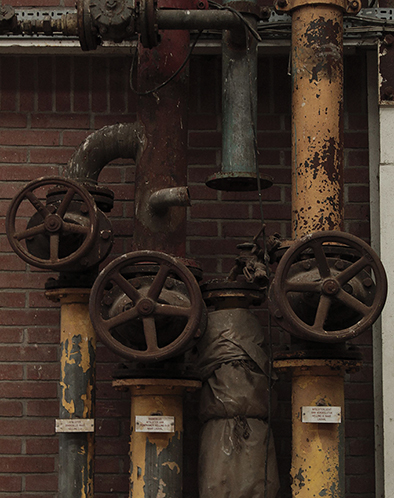
Preventing corrosion from causing pipeline failures is an operational, maintenance, and safety concern. Maintenance crews put themselves at risk for exposure to hazardous substances by utilising outdated monitoring methods. They also risk operational interruptions through those methods. By implementing real-time corrosion monitoring, maintenance teams minimise the amount of time they spend inspecting pipelines while dramatically increasing the data available for predictive maintenance and early repairs.
About the author: Dauren Kazimbek is business development manager for SMARTCORR – a global leader in providing comprehensive solutions to protect asset integrity. SMARTCORR strives to help its customers achieve profitability, reliability and sustainability in the oil and gas industry. Kazimbek has 25 years of experience in the industry and focuses on business development, investment and management.
For more information visit: www.smartcorrs.com