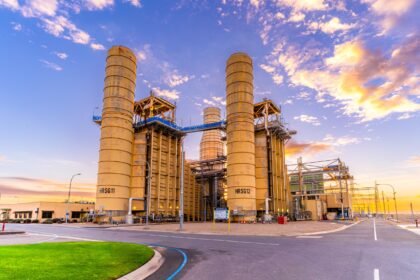

Battery energy storage systems to become new service from ABB
ABB to launch its new Battery Energy Storage System-as-a-Service(BESS-as-a-service) to provide a flexible, zero-CapEx solution to help customers shift to clean and affordable energy solutions.
BESS-as-a-service is the first in a new range of next-generation service models being developed to make the clean energy transition more accessible to companies and help industries achieve net-zero emissions.
A key benefit to the system is the lack of upfront capital required to invest in the service which spans across a variety of sectors and industries. Instead, a quarterly service fee is charged.
Hardware, software, and lifecycle support is all included with ABB management, maintenance, and optimisation all part of the package. This allows businesses to operate without having to worry about the long term sustainable energy of their business operations and can focus attention elsewhere.
Stuart Thompson, division president at ABB’s Electrification Service Division, said: “In today’s volatile energy market, businesses need reliability and cost predictability above all else. Customers tell us that while they want to deploy the latest technologies to improve energy security and reduce their emissions and costs, they face financial obstacles.”
ABB is conducting feasibility studies on ensure companies see the benefits from day one. These studies include; overcoming grid limitations to provide EV fast changing in electric vehicle applications, mitigating risks against rising electricity prices by maximising existing systems, and reducing risk of power disruptions.
Thompson added: “By shifting from capital expenditure to a more predictable operational expenditure approach, ABB’s BESS-as-a-Service enables businesses to immediately strengthen their energy security, slash peak demand charges, and generate new revenue streams. We see BESS-as-a-Service as not just a new offering but a strategic lever for the Division’s growth and innovation. We see significant potential to scale this globally, especially as more industries seek flexible, low-risk pathways to decarbonisation.”