Embedding ergonomics into electronic design
In embedded electronics, wearables and medical devices, human-device interaction is just as significant as battery life or processing speed. Poor fit can lead to device abandonment, non-compliance in medical settings, irritation or injury. Yet ergonomics is rarely quantifiable in early-stage design, leading to reliance on subjective feedback, or ‘trial and error’
As electronics become more integrated into modern life, designers must optimise for how devices are worn and used, not just what they do. Human-centred design is becoming increasingly critical across consumer wearables, industrial tools, surgical equipment, and AR/VR systems. These products interface with the body, so ergonomic issues can affect how comfortable they are to use and whether people want to use them.
Traditional fit testing is a subjective process often influenced by human bias and user perception. Today, device design can be driven by data instead of relying on anecdotal evidence. Pressure and force-sensing data can be embedded into prototypes or testing rigs to measure contact forces in real time, while engineers can visualise how a device interacts with the body and investigate pressure hotspots and gradients, fit variability, or any movement issues associated with the device.
By utilising embedded capacitive sensors in testing or in-field settings, developers can capture high-resolution data on how force is distributed across contact surfaces.
Deloitte’s 2021 Connectivity and Mobile Trends survey found that 39% of wearable users stopped using their devices because they were uncomfortable, underscoring the significance of comfort and fit for long-term use. With sensor-based testing, potential issues can be addressed earlier in the design process, improving user adoption.
Headsets, augmented reality systems, and sleep apnoea masks must balance firm contact with comfort and accommodate a range of skull sizes and shapes. Engineers can utilise pressure-sensing headforms in combination with embedded sensors to capture consistent pressure distribution data. This allows comparisons across design iterations and helps minimise pressure peaks that could cause discomfort or slippage during use. With repeatable data, developers can create more inclusive designs that accommodate anatomical variation.
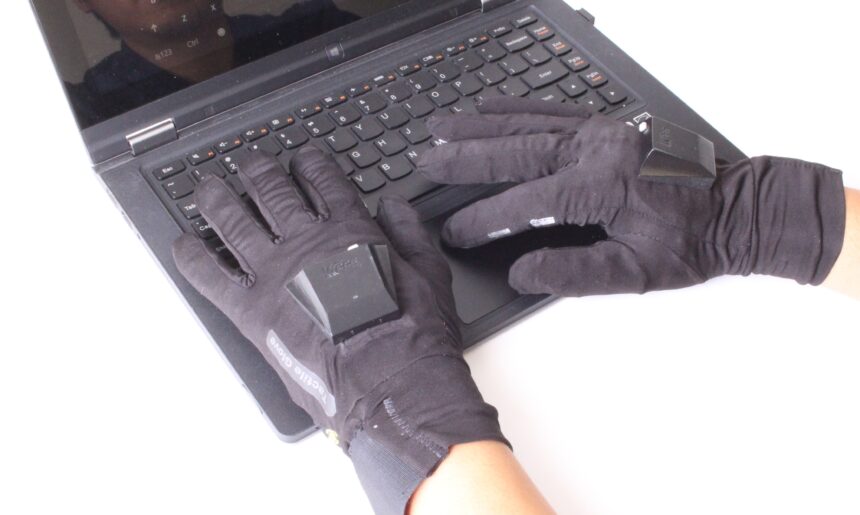
In industrial environments, poor tool ergonomics contributes to fatigue and musculoskeletal injury. Sensor-enabled gloves or test rigs help designers capture data on how forces are distributed across the palm, fingers, and wrist during user interaction with a tool or interface.
This data is being used to redesign grips, reposition switches, and adapt materials to reduce high-strain zones. A 2016 study in Applied Ergonomics found that pressure-mapping gloves could identify injury risks in tool design, especially in repetitive-use scenarios.
Sensor data can also support comfort evaluation in motion, under real-world conditions such as temperature, moisture, and user movement.
For pressure and force sensing to be reliable, sensors must be calibrated to account for environmental variables, material interfaces, and the specific geometries in which they will operate.
Application-specific calibration techniques, such as simulating hand grip or head contact using pressure bladders and jigs, reduce variability and increase confidence in test data. In safety-critical sectors such as medical, aerospace, and automotive electronics, this level of rigour is critical to usability and regulatory compliance.
The ability to capture pressure and force data during real-world use is transforming how developers think about ergonomics. Design teams can now work with data from early-stage prototypes, enabling better decisions, faster iterations, and more inclusive, user-friendly products.
As sensor technologies continue to evolve, ergonomic validation is likely to become essential to electronic product development, especially in sectors where comfort and compliance are vital to long-term success.
Contributed by Dr Jae Son, CEO and founder of tactile sensor specialist PPS