How multi-cable and pipe transits ensure the integrity of wind turbine structures and substations
The offshore wind industry has seen remarkable growth in recent years, driven by the global transition toward renewable energy and the increasing demand for sustainable power solutions. As offshore wind farms expand in size and complexity, ensuring the safety, reliability, and efficiency of these installations becomes paramount. One critical aspect of offshore wind infrastructure that contributes to these objectives is the use of multi-cable and pipe transits. These components play a crucial role in maintaining the integrity of wind-turbine structures and substations.
The role of multi-cable and pipe transits in offshore wind
Multi-cable and pipe transits are sealing systems designed to secure cables and pipes that pass through bulkheads, decks, and other structural boundaries in offshore wind installations. These transits are engineered to provide a tight seal around cables and pipes, preventing the ingress of water, gas, fire, and other potentially harmful elements. In the offshore wind industry, where installations are subjected to extreme weather conditions, corrosive saltwater, and the constant threat of fire, the importance of these sealing systems cannot be overstated.
One of the primary functions of multi-cable and pipe transits is to maintain the structural integrity of offshore wind installations. The harsh marine environment poses a significant challenge to the longevity of wind turbines and substations. Multi-cable and pipe transits help mitigate these risks by providing a barrier that prevents the entry of corrosive elements, thereby extending the lifespan of the installation and reducing maintenance costs.
Fire safety and risk mitigation
Fire safety is another critical concern in offshore wind installations. A fire outbreak in an offshore wind turbine or substation can have catastrophic consequences, not only endangering the lives of personnel but also leading to significant financial losses and environmental damage. Multi-cable and pipe transits are designed to provide fire-rated sealing solutions, which means they can withstand exposure to high temperatures and flames for a specified duration. This fire resistance is crucial in preventing the spread of fire through cable and pipe penetrations, thereby containing the fire to its point of origin and allowing for more effective fire-fighting measures.
In addition to fire protection, multi cable and pipe transits also offer resistance to gas and smoke. In the event of a fire, smoke and toxic gases can spread rapidly through a wind installation, posing a serious risk to human health and complicating evacuation efforts. By sealing cable and pipe penetrations, these transits help contain the spread of smoke and gases, providing additional time for personnel to evacuate and for emergency response teams to take action.
Enhancing Operational Efficiency
Beyond safety, multi cable and pipe transits contribute to the overall efficiency of offshore wind operations. Offshore wind farms require extensive cabling to connect turbines to substations and transport electricity to the shore. Multi-cable transits allow for the organised routing of multiple cables through a single penetration point, optimising space and reducing the complexity of cable management. This not only streamlines the installation process but also simplifies maintenance and inspection activities, leading to reduced downtime and operational costs.
Moreover, the flexibility offered by multi-cable and pipe transits is a significant advantage in the dynamic offshore wind environment. As wind farms expand or undergo upgrades, the ability to add or remove cables and pipes without compromising the integrity of the sealing system is invaluable. Modern transit systems are designed with modularity in mind, allowing for easy reconfiguration to accommodate changes in cable or pipe arrangements.
Environmental Considerations
The environmental impact of offshore wind installations is another factor driving the adoption of multi-cable and pipe transits. Offshore wind farms are typically located in ecologically sensitive areas, and any breach in the integrity of these structures can lead to environmental contamination. The ingress of seawater or other contaminants through unsealed cable or pipe penetrations can result in leaks or spills, harming marine life and ecosystems. By providing a reliable barrier against environmental threats, multi-cable and pipe transits help minimise the environmental footprint of offshore wind projects, aligning with the industry’s commitment to sustainability.
About Rhyl Flats Wind Farm
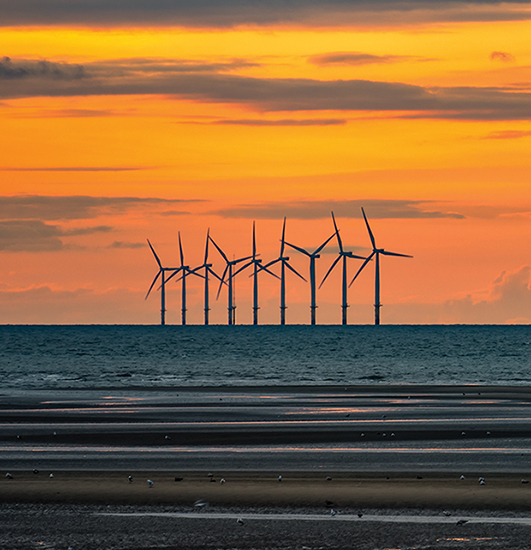
Rhyl Flats is a 25 turbine, 90MW wind farm located in Liverpool Bay, approximately eight kilometres north east of Llandudno in North Wales. The wind farm produces enough clean energy a year to power 70,000 households, equivalent to cutting 1.7 million tonnes of CO2 emissions a year. The wind farm began producing power in December 2009.
Conclusion
As the offshore wind industry continues to grow and evolve, the importance of robust sealing solutions like multi-cable and pipe transits cannot be overlooked. These systems play a critical role in ensuring the safety, reliability, and efficiency of offshore wind installations, protecting against the harsh marine environment, enhancing fire safety, and optimising operational efficiency.
For more information visit: www.mctbrattberg.com