Advancing operational efficiencies while delivering sustainability improvements
Written by Sergei Mishin, measurement solutions sales director, Europe, Emerson
Mining operators are increasingly trying to resolve a dual challenge: They need to drive shareholder value while also responsibly using and protecting our natural resources. The industry’s “license to operate” continues to emphasise both environmental and business sustainability. While some outside the industry may see this as a new mindset, mining leaders have wrestled with this dual challenge for many years – with even greater scrutiny now.
Demand for minerals is surging, fuelled by capital construction, increased communications networking and rapid electrification growth as part of the world’s march to net zero. The International Energy Agency projects lithium demand could grow anywhere between 13 and 51 times today’s levels by 2040, with cobalt and graphite projected to jump between six and 30 times in the same time period. Copper, iron ore and other mineral demand remains strong as construction and manufacturing push to keep up with a growing population.
Given this growth and increased climate urgency, miners are expected to demonstrate a meaningful commitment to the environment without negatively impacting their bottom line. These seemingly competing priorities can be achieved with a common strategy: automation. Technology, including better utilisation of data, helps advance operational efficiencies while delivering key improvements in sustainability.
Operational sustainability
Mining operations are intrinsically remote, and this presents a huge challenge to production continuity. Deploying the right automation technologies addresses this obstacle head-on by creating the foundation for efficient, reliable operations that increase both uptime and safety.
Unlocking actionable insights from real-time operational data is key to maximising uptime; however, many mining processes are still too sparsely instrumented to achieve advanced operational goals. Smart, wireless sensors are a game-changer for the industry – they are easy to deploy and scale across critical assets. These sensors make it possible to measure and analyse machine health data to predict upcoming maintenance and emerging trends. This enables operations to move toward prescriptive maintenance, fixing potential problems before they become actual problems.
Automation supports mining’s paramount priority: safety. Wired and wireless sensors enable more sophisticated monitoring of tailings dam stability, while wireless gas detectors continually monitor the atmosphere in underground mines to protect workers. In both cases, sensors alert operational and maintenance teams to emerging potential issues, allowing them to act before issues become safety risks.
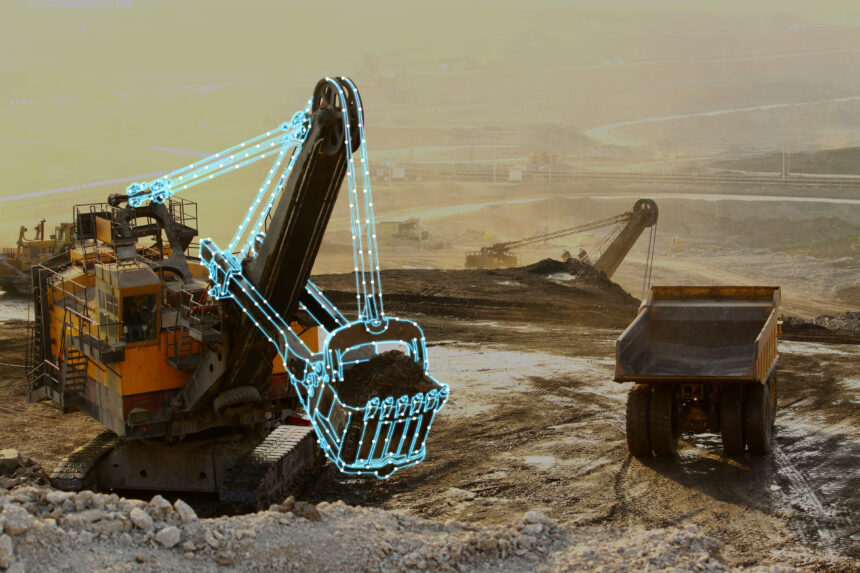
To drive improvements in safety and reliability, miners must have access to real-time insights on the health of critical mining equipment. For example, an unexpected shutdown of an electric rope shovel is a threat to both personnel safety and production goals. By monitoring vibration of key shovel components, such as the crowd, hoist and swing drives, operators get accurate assessments of equipment health to identify potential problems early.
The value of operational sustainability gained by these solutions can be measured in the millions. One global mining customer turned to Emerson’s AMS Machinery Health Monitor to deliver online condition monitoring at a site, enabling the customer to implement prescriptive maintenance and realise $5.8 million in annual savings by fixing potential equipment issues before they became problems.
Data from these automated systems is combined and processed via advanced analytics, giving leaders a clearer, more comprehensive view of their overall operations. This knowledge can then be applied to optimise workflows and prioritise investments to further enhance overall efficiency.
Ultimately, new data collection from wireless sensors and more advanced automation technologies provides the foundation to aggregate disparate operational data, which in turn facilitates the creation of remote operations centres. Remote operations centres enable operators, functional leaders and subject matter experts – all well out of harm’s way – to critically analyse data to holistically optimise the mining enterprise.
Environmental sustainability
When it comes to environmental stability, mining operations are often challenged to optimise water and energy use. Again, the best solutions start with automated monitoring and control.
To enhance water infrastructure, embedding wired and wireless sensors, flow meters, valves, software and analytics helps operators understand how much water they recover, use and put back into the system, which is important for regulatory compliance requirements. Automation also helps operators streamline and optimise control processes, improve pump reliability, enhance slurry flow control, reduce tailings volumes and provide overall better visibility into water management. Today’s most advanced control systems automatically adapt to changing conditions to ensure continual, optimal operations.
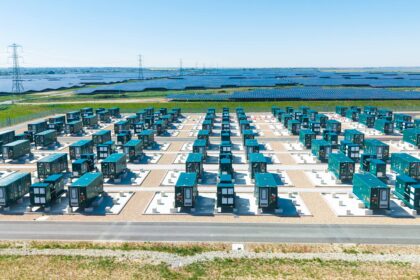
As the mining industry phases in more renewable power sources, miners are challenged to maintain stable power supply throughout operations. Automation technologies manage and dispatch power optimally from these microgrids, as well ensuring that this increasingly complex resource continues to power optimal operations.
The license to operate
Balancing both business and environmental sustainability objectives in mining industry is challenging but doable, through automation technologies that help achieve net zero emissions, zero unplanned downtime, zero recordable safety incidents and zero inefficiencies in mining operations. The right automation partner can help companies collect and contextualise valuable data that will deliver measurable operational and environmental sustainability wins – supporting mining’s license to operate.