Seven in 10 organisations view stainless steel as key to reducing Scope 3 emissions
Outokumpu, a specialist in sustainable stainless steel, has published a new whitepaper revealing that seven in 10 organisations view stainless steel as key to reducing Scope 3 emissions and as a more sustainable material compared to alternatives
The whitepaper, titled 'The Evolution of Materials- Stainless Steel Insights 2025', expands on insights from a global survey conducted for 70 senior decision-makers at companies with a combined annual revenue of $428.85 billion, including some of the world's largest steel consumers in energy, consumer goods, automotive, construction and infrastructure.
The survey, conducted in May 2025, revealed that one in four organisations named life-cycle cost (LCC) as the main reason for choosing stainless steel, and 40% reported that they now conduct LCC analyses. Price remains a key factor in material selection, but the use of methodologies that factor in longer-term value is on the rise.
LCC is increasing in importance as organisations look to reduce financial outlay and environmental impact. For example, corrosion is a significant contributor to long-term maintenance and replacement expenses across various sectors. Corrosion-related losses are estimated to exceed $2.5 trillion globally, with climate implications due to replacing degraded materials. LCC analysis can help organisations to make more intelligent and sustainable choices by factoring in these costs.
Almost 60% of respondents believed that stainless steel offered better overall value than substitutes, and over half thought that its high scrap value offset the higher upfront cost.
Britta Warnke, VP Commercial at Outokumpu, said, “The move toward life-cycle-cost analysis signals a broader shift in how organisations assess material value. While stainless steel may sometimes have a higher upfront cost, its longevity and low associated maintenance often make it a smarter long-term investment. Organisations also increasingly recognise its role in reducing Scope 3 emissions and supporting sustainable operation. As a result, the metal is being adopted more widely, and across new sectors, serving as a cornerstone of the circular economy”
The combination of durability, corrosion resistance, strength, and recyclability, stainless steel can meet the materials challenges the world is facing caused by climate change, population growth, and environmental regulations. Its use is expanding to EV battery boxes, hydrogen plants, and solar farms, as well as urban flood defences, port infrastructure, defence systems, and even next-generation space technology.
The research also found strong momentum in demand, with two-thirds of respondents hoping to increase stainless steel intake over the next five years.
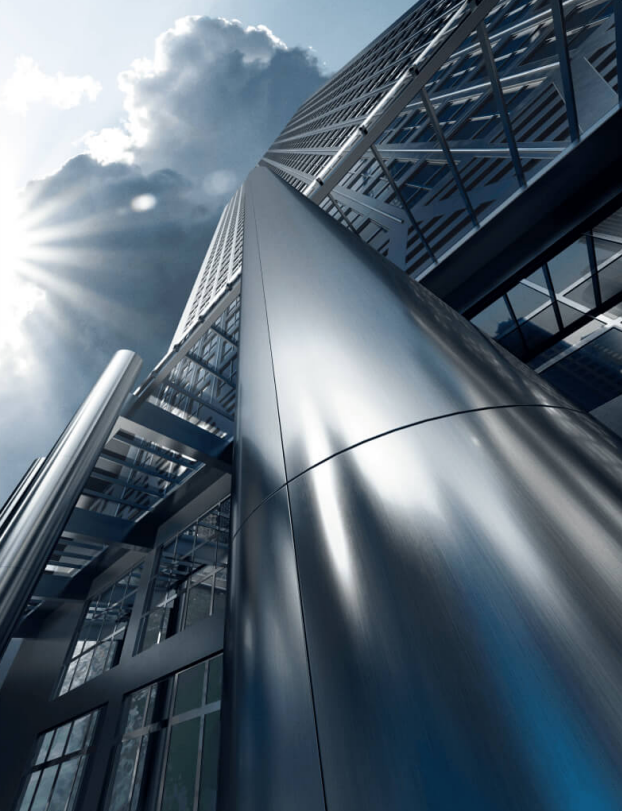
The mid-to-long-term demand growth is supported by stainless steel’s expanding role beyond traditional niche industries. More extreme temperatures, flooding and other weather events are putting infrastructure under strain, making stainless steel’s corrosion resistance and strength more valuable than ever, from being used for bridges and coastal defences to tunnels and skyscrapers. Its recyclability and long-life cycle reinforce its role in building resilient, low-impact infrastructure.
The metal is also growing in popularity in defence and aerospace, as security concerns drive military investment. The EU’s €800 billion ReArm Europe plan prioritises resilience and sustainable materials, planning to increase demand for advanced stainless grades that extend asset lifespans and support the shift to low-carbon military infrastructure.