Electrolysers running on renewable electricity offer one viable route for the acceleration of low-carbon transport
Making a success of hydrogen-powered fleets with a novel electrolyser solution.
Try and cast your mind back to COP28’s agreed text published at the summit’s conclusion. It might be difficult to remember but there’s an important passage around point 39. Here, you will find reference to “low-carbon hydrogen production” and its value for replacing “unabated fossil fuels in energy systems.”
While not referencing it directly, this is recognition of electrolysers and the role they will play in the world’s energy transition. It’s a technology that continues to embed itself across manufacturing, heavy industry and transport – with the latter being a particularly challenging environment, both practically and commercially.
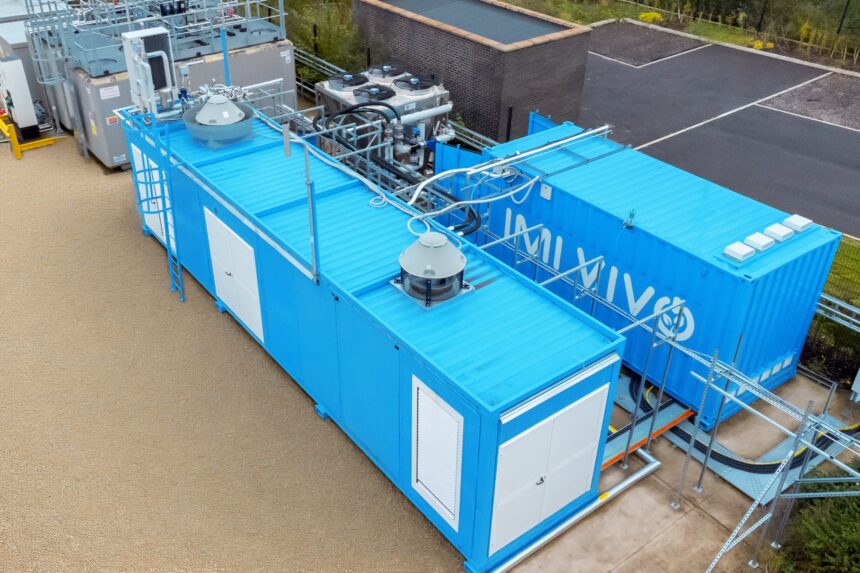
IMI has directed considerable resource at this particular issue in recent years, culminating in the creation of its own electrolyser solution. With this technology, the company now has a stronger understanding of hydrogen powered fleets and what’s needed to make them a success. So, what are the learnings from this work?
DECENTRALISATION WILL BE CRITICAL
Centralised hydrogen production would look similar to the way grid electricity is generated and distributed today. In theory, each country would have one or a handful of large-scale facilities dedicated to making the fuel, which would then be transported via pipework or delivery vehicles. Basic economics tells us that production costs tend to decrease with scale and hydrogen is no exception to the rule. At first, this appears the best argument in favour of the centralised model, removing affordability as one of the major barriers to widespread adoption. Working this way, however, increases storage and transportation costs.
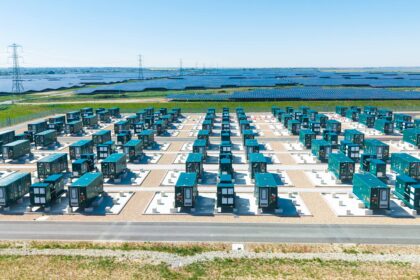
Decentralisation, on the other hand, would see a vast network of smaller-scale hydrogen production facilities aided by on-site electrolysers. Production costs would be higher in this scenario but the cost of storage and transportation would be lower. It’s not difficult to see the advantages this offers commercial transport, which relies on consistent supplies of fuel across large geographical areas to succeed. Electrolysers running on renewable electricity offer one viable route for the acceleration of low-carbon transport. New proton exchange membrane (PEM) models, such as those developed by IMI, are capable of responding quickly to the changing profiles of available power, making them ideal partners for intermittent renewable energy sources. They also create relatively pure hydrogen, which is needed for both fuel cells and H2 combustion engines.
These arguments seem convincing but there is still some way to go before they are undeniable. Renewable contributions to the grid continue to rise and both businesses and local authorities are beginning to understand the opportunities presented by distributed energy resources (DERs) and microgrids. Yes, capacity needs to increase substantially, but the direction of travel is promising for decentralised hydrogen production in service of low-carbon commercial transport.
A DIVERSE VEHICLE MIX
Increasing the share of fuel cell vehicles would create knock-on benefits for existing infrastructure. Electrification driven by the growth of battery-powered transport will place beleaguered national grids under extra pressure. The UK’s grid, for instance, has been stretched to the point where it’s now having a measurable impact on economic development. Green hydrogen still requires renewable electricity and the wide-scale deployment of electrolysers would certainly contribute to increased demand. However, decentralised assets using solar power could be used during the day when there is typically an excess of sunlight, idling at night when grid load can only be served by fossil fuels, nuclear and other sources of energy.
IEA estimates show the global energy use of heavy-duty vehicles is roughly three times the total global production of hydrogen. Clearly this imbalance needs addressing. Still, most planning scenarios have yet to fully recognise the potential impact and growth of on-site hydrogen production. This will change the game.
ON-SITE PRODUCTION
It’s important to point out that electrolyser technology is already having an impact at larger industrial facilities. However, the size of these solutions – operating at 10MW up to 1GW – mean they are only suitable to the biggest names in industry. As such, modularity, scalability and affordability will be key to ensuring clean hydrogen can be fully harnessed in the transport and logistics sector.
This is why electrolysis, made possible with turnkey solutions, will be critical moving forward. Some PEM electrolysers, such as those from IMI, can be implemented in modular turnkey configurations with the addition of fuel cells and storage systems depending on customer specifications and local regulations. This is an advantage for fleet operators in remote locations as it eliminates the need for fuelling infrastructure to develop before hydrogen can be used. It also helps in urban environments, where limited space, planning and major groundworks can all present a significant challenge.
Storage of this kind can also make the hydrogen market more resilient to the kind of shocks seen throughout the energy market in 2022. Decentralising production lowers the supply chain’s exposure to unforeseen changes, giving businesses access and guarantee of a minimum service level even when market conditions are unfavourable.
Andrea Pusceddu is Business Development Director at IMI