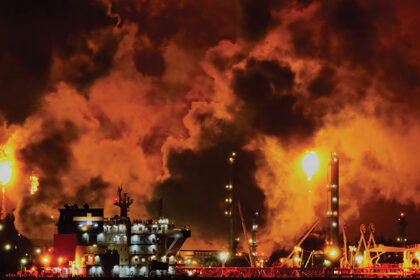
Safety is paramount in any industry involving hazardous atmospheres where there is the danger of explosion, such as the oil and gas sector.
Explosive atmospheres can be created by flammable gases, mists, vapours or combustible dusts. If enough of the substance mixes with air, all that is needed to create an explosion is a source of ignition. Any electronic or electrical equipment used in a hazardous atmosphere could potentially provide this source of ignition, leading to an explosion which may result in loss of life, serious injuries and/or damage to infrastructure, along with the reputational damage and loss of confidence that such incidents create.
It is vital therefore that the design of any equipment intended for use in a hazardous atmosphere is assessed to verify that ignition risks have been mitigated to an appropriate level depending on where the device is to be used. This will take place under the relevant Ex certification scheme for the country of use. For example, ATEX for the European market, IECEx which is recognised in many countries worldwide, or the Class/Division and Class/Zone systems which apply to the North American market.
Ex marking codes
Regardless of the certification scheme, there are some common factors which must be considered when determining the level of certification required for a particular device. Together these make up the Ex marking code for the device.
Firstly, there is the ATEX equipment category, or Zone for IECEx and North American certifications, which defines the frequency of a hazardous atmosphere being present in a particular site. This influences how likely it is for an ignition to occur due to a fault in the equipment and thus affects the level of requirements that must be met, for example whether dual or triple redundancy is required for Ex safety components.
Secondly, all flammable gas and dust atmospheres are assigned to a particular Gas or Dust group, with the flammability of the substances involved determining which group the atmosphere belongs to. Higher groups apply more stringent technical requirements to the certification.
Lastly there is the temperature classification, which defines the maximum temperature that any part of the device is allowed to reach in operation, and is selected to give a safe margin below the minimum ignition temperature of the explosive atmosphere.
How A2E can help
A2E is one of the UK’s leading experts in designing ATEX equipment. One of the most frequent concerns that clients have is how the requirement for Ex compliance will impact on the design and manufacture of a device. There is no single answer to this as each case is unique in terms of the level of certification required and the functional purpose and design of the device. Having handled many ATEX projects for the oil and gas and other sectors over the past two decades, A2E has built up a bank of expert knowledge in this field, and will be able to assist in choosing and implementing a suitable type of protection to achieve the required certification level whilst having the minimum possible effect on the technical specifications and cost of the device.
For more information visit: www.a2etech.com