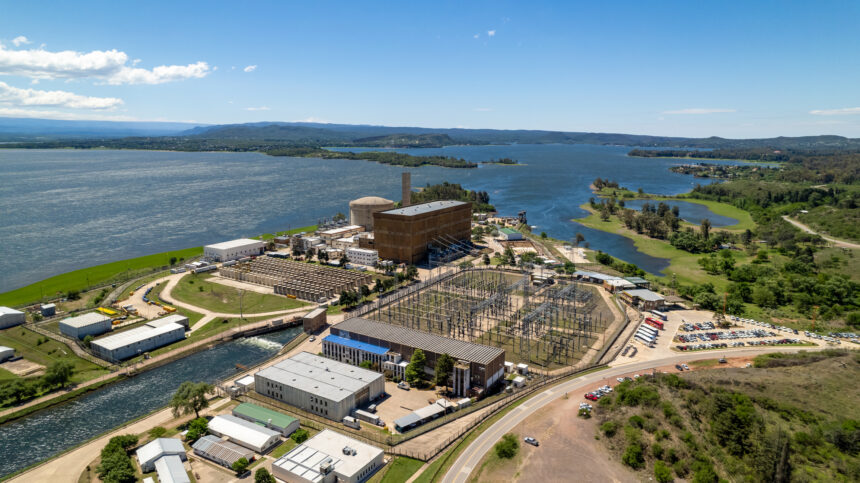
IMI has supplied 31 nuclear-certified solenoid valves, based on an established design proven in industrial applications, to extend the operating life of a nuclear reactor at a plant in Argentina. The replacement valves were required as the original valves had become obsolete
The plant is one of many nuclear facilities built before 1990, with around two-thirds of the global reactor fleet dating from before this time.
As these legacy plants continue to operate, components from their original designs can become outdated, with products no longer manufactured or supported and, in some cases, no longer meeting the nuclear industry’s qualification and compliance requirements.
At the Argentinian plant, IMI’s legacy Herion valve range had to be replaced with a modern alternative that could meet current nuclear regulatory standards and support the facility’s long-term safety and future.
IMI’s team worked with the client’s engineers to develop a valve replacement solution based on IMI Maxseal technology, updating polymetric and elastometric materials to meet radiation-resistance standards.
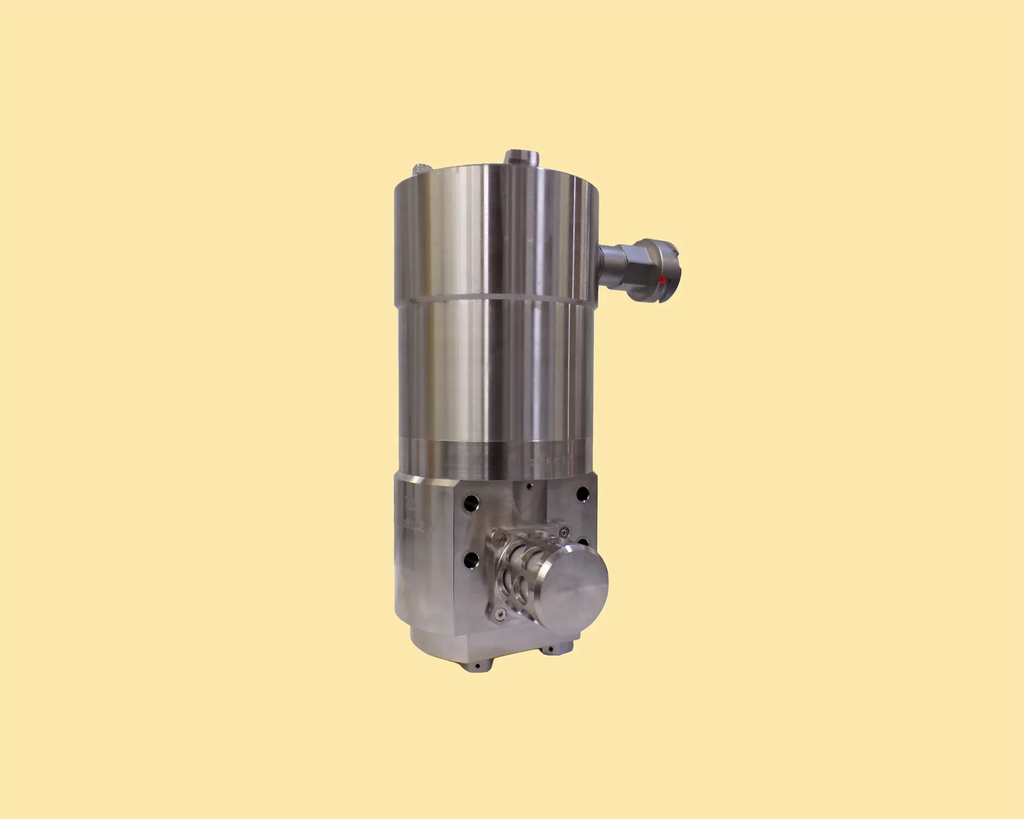
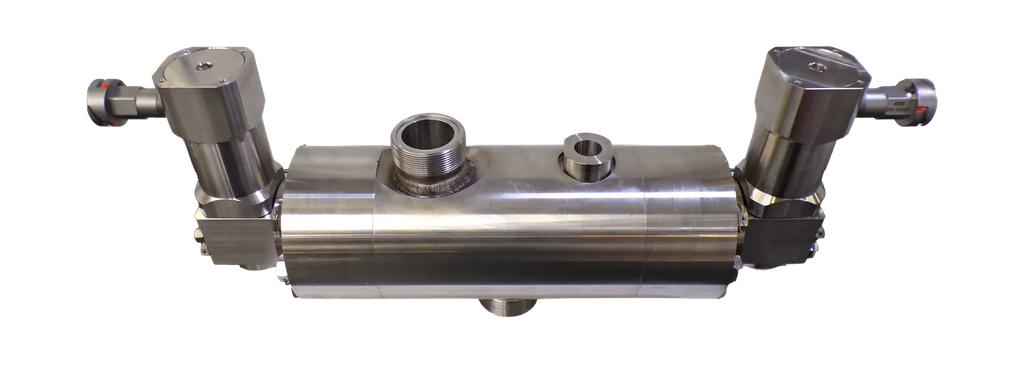
As a result, it demonstrated the IMI Maxseal nuclear technology range’s ability to perform critical safety functions in severe nuclear environments. Extensive qualification testing proved the valves’ ability to withstand seismic, vibration, radiation ageing, and loss-of-coolant accidents (LOCA).
In addition to the existing industrial credentials, including hazardous are certifications such as ATEX and IECEx, the Maxseal nuclear range features certifications required for nuclear applications, including:
- IEC/IEEE 60780-323:2016
- IEEE 382:2019
- IEC/IEEE 60980-344:2020
Marc Norris, technical director, Process Automation at IMI, said, “The challenges faced in Argentina are by no means unique. Across the nuclear industry, operators are seeking ways to extend the lives of existing reactors while replacing obsolete equipment meeting modern safety standards.
“By using a technology platform with a legacy of severe service performance, we were able to build on existing evidence, field experience and engineering knowledge. That meant we could provide the customer with a long-term replacement for the obsolete valves.”